


Sights in Hamburg, Germany
Dear guests, on this page we have compiled a selection of the most popular lakeside attractions in Hamburg for you.
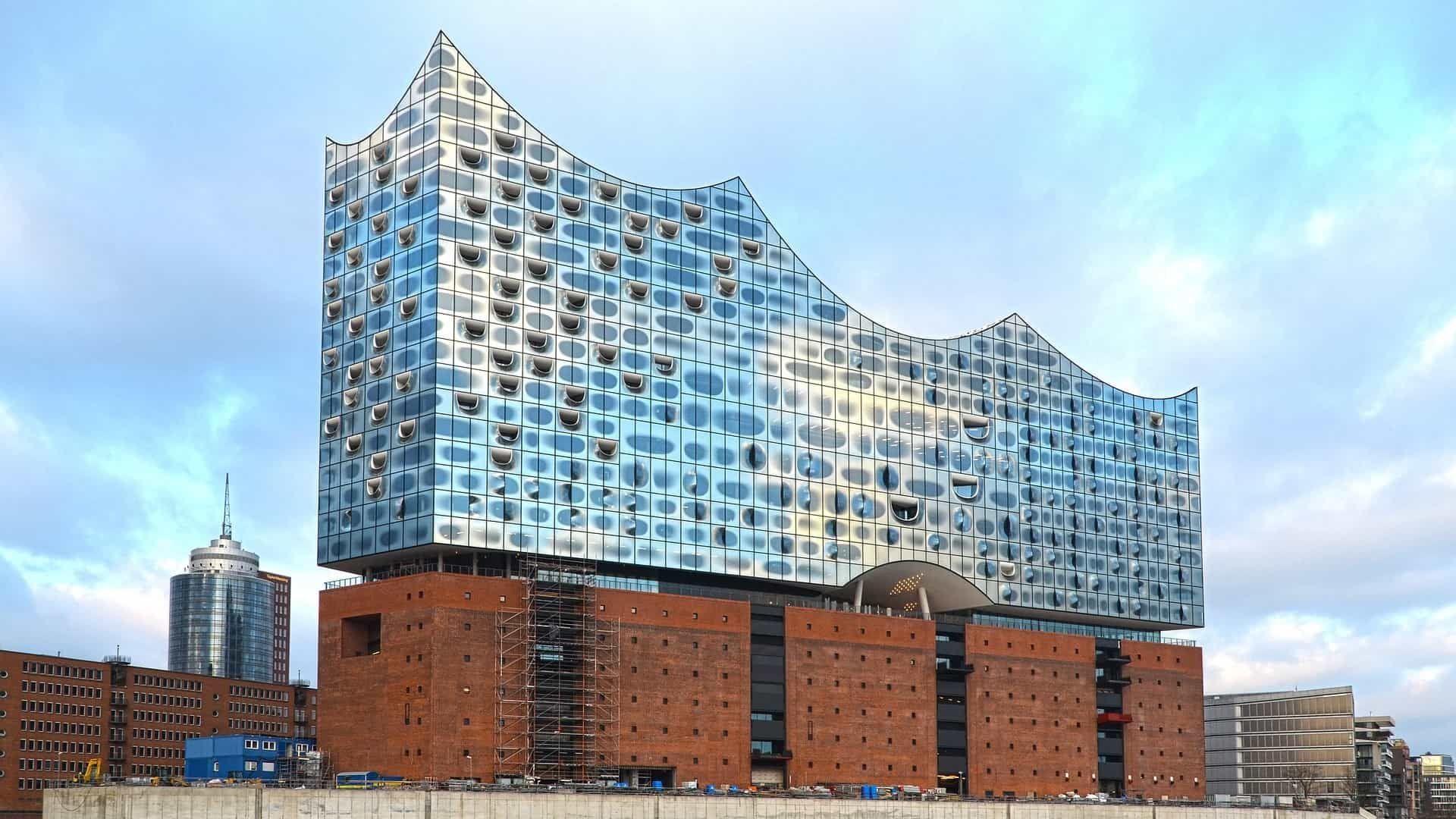
Elbphilharmonie Hamburg
Google Maps: Platz der Deutschen Einheit 4, 20457 Hamburg, Germany. Approximately 2.5 km from the St. Joseph Hotel Hamburg. >>> Excerpt from Wikipedia – as of June 12, 2020: The Elbphilharmonie (also known as "Elphi") is a concert hall in Hamburg, completed in November 2016.
Read more here
***
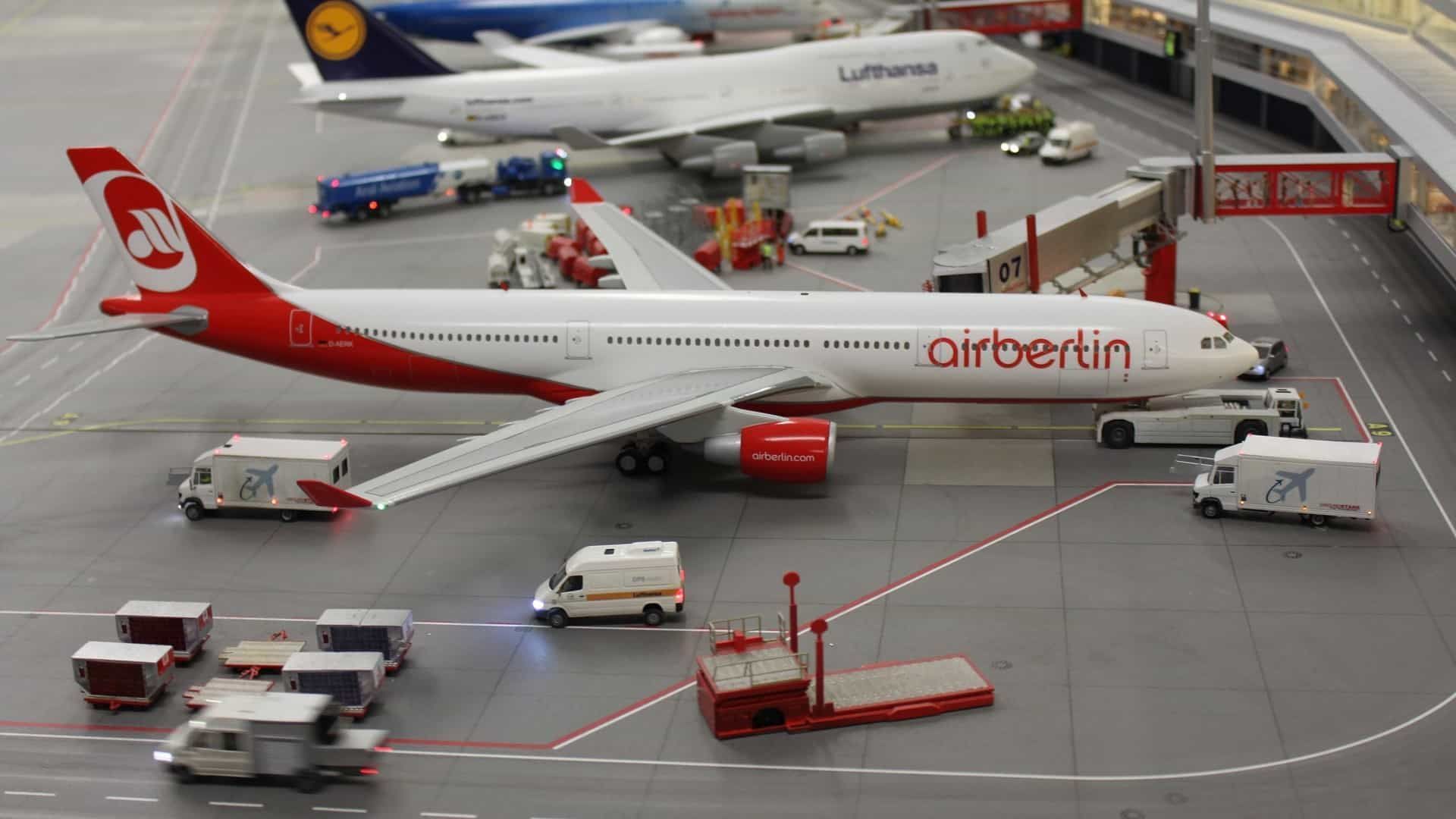
Miniatur Wunderland
approximately 2.5 km from the St. Joseph Hotel Hamburg
Google-Maps Kehrwieder 2-4/Block D, 20457 Hamburg
Excerpt from Wikipedia – as of June 12, 2020: Miniatur Wunderland (its own spelling) in Hamburg is the world's largest model railway. It is located in the historic Speicherstadt (warehouse district) and is operated by Miniatur Wunderland Hamburg GmbH. The 1,499 square meter layout features a total of 15.715 kilometers of track (as of August 2019) at a scale of 1:87 (H0 scale; which would correspond to approximately 1,367 kilometers of track in reality), on which around 1,040 digitally controlled trains operate...
***
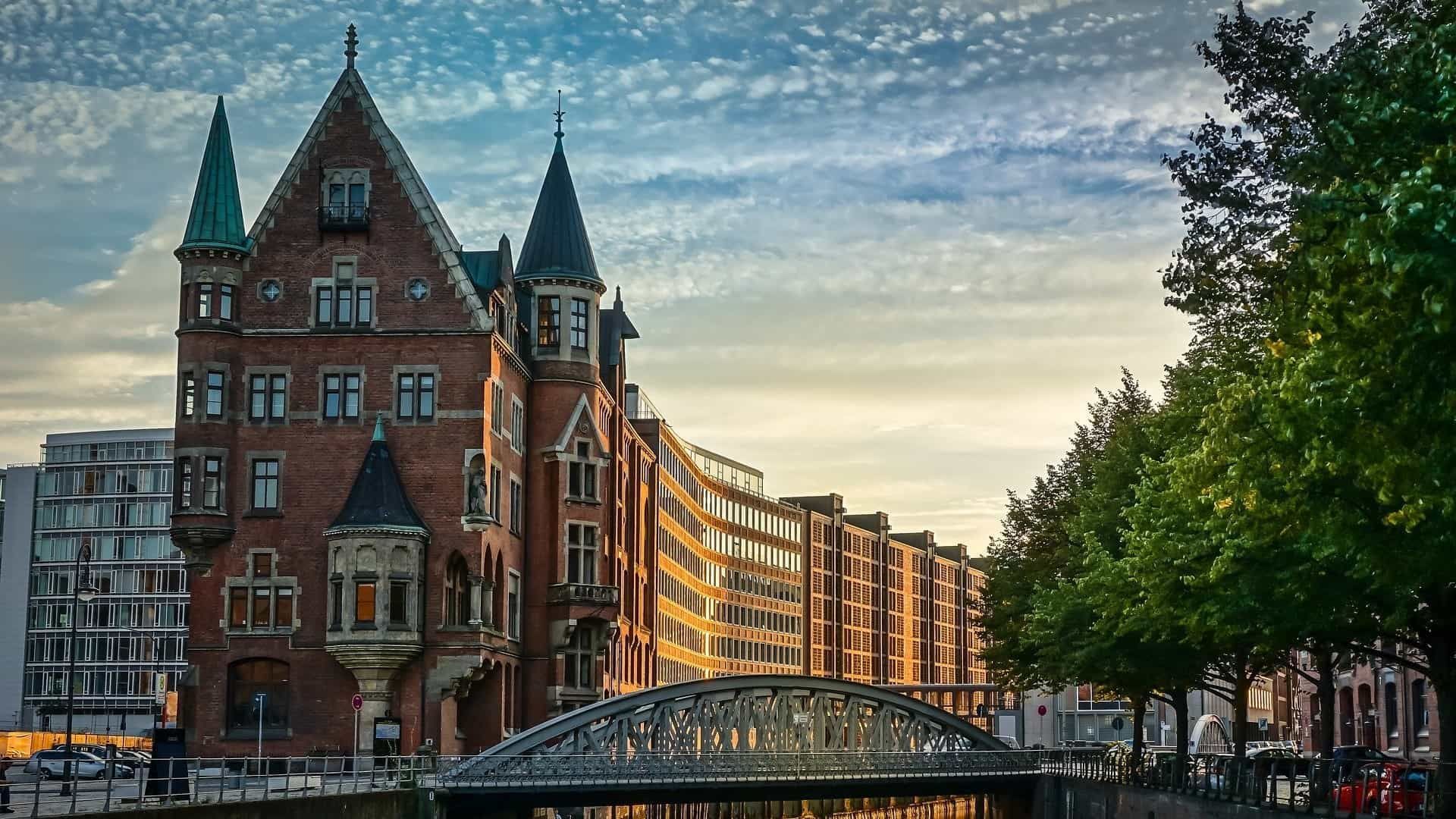
Speicherstadt
approximately 3.1 km from the St. Joseph Hotel Hamburg
Google Maps Speicherstadt, 20457 Hamburg
Excerpt from Wikipedia – as of June 12, 2020: The Speicherstadt (Warehouse District) in Hamburg is the world's largest historic warehouse complex, located in the Port of Hamburg. It encompasses the area between Baumwall and Oberhafen. It has been a listed monument since 1991 and, since July 5, 2015, together with the neighboring Kontorhausviertel (Office Building District), has been inscribed on the UNESCO World Heritage List under the name Speicherstadt and Kontorhausviertel with Chilehaus. The Speicherstadt was built between 1883 and 1927 south of the old town on the former Elbe islands and residential areas of Kehrwieder and Wandrahm as part of the Hamburg Free Port. It was constructed in three phases; the first phase was completed in 1888. Construction was overseen by Franz Andreas Meyer, Chief Engineer of the Hamburg Building Authority. He was assisted by the Director of Hydraulic Engineering, Christian Nehls, the Director of Construction, Carl Johann Christian Zimmermann, and a consortium of 15 engineers, 24 architects, and draftsmen. Of these, Georg Thielen designed around 30 warehouses at the locations Neuer Wandrahm, Am Sandtorkai, Auf dem Sande, Brook, and Kehrwieder. Since January 1, 2003, the Speicherstadt (Warehouse District) has been removed from the area of the (dissolved in 2013) free port. On March 1, 2008, it was administratively incorporated into the HafenCity district of Hamburg-Mitte, along with the new development area on Großer Grasbrook.
***
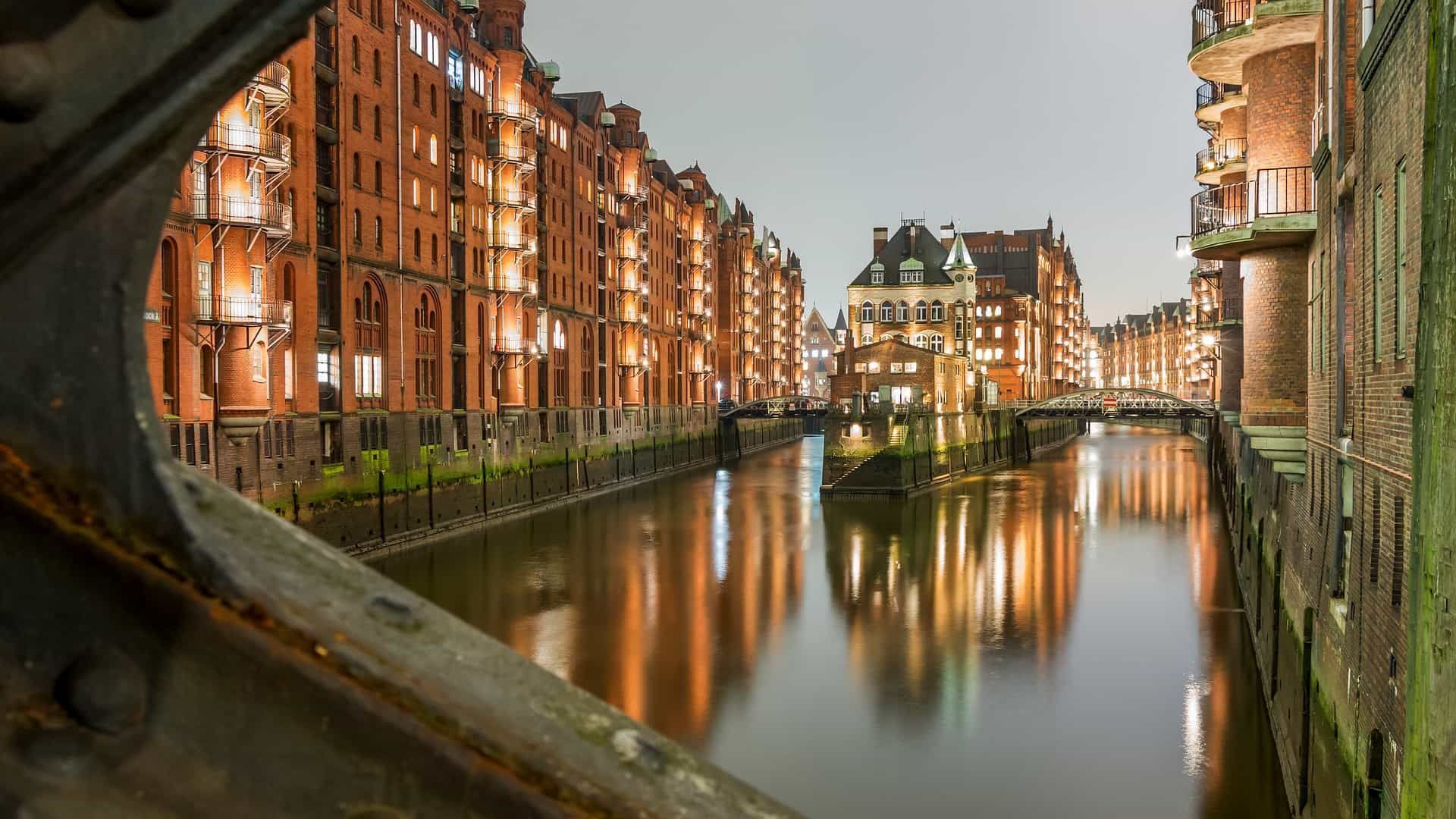
moated castle
approximately 3.2 km from the St. Joseph Hotel Hamburg
Google Maps: Dienerreihe 4, 20457 Hamburg
Excerpt from Wikipedia – as of June 14, 2020: The Wasserschloss (Water Castle), also known as the Wasserschlösschen (Little Water Castle), is a historic building in Hamburg's Speicherstadt (Warehouse District). The four-story building was constructed between 1905 and 1907 as part of the third construction phase of the Speicherstadt (1899 to 1912) and is one of the most famous landmarks and oldest buildings in the historic warehouse complex. Its design is believed to be based on plans by the two Hamburg architects Bernhard Georg Hanssen and Wilhelm Emil Meerwein, who were also involved in the design of Hamburg's City Hall. The facade is in the style of North German Brick Expressionism and features bands of glass bricks and granite ornamentation. Other distinctive features include the green copper roof, the tall arched windows, and the rounded bay windows. The only tower is a clock tower with decorative bands of green glazed bricks and red granite stones. The low, waterside extension at the rear of the Wasserschlösschen is not part of the original structure but was built from rubble in the post-war period. Until very recently, the building housed offices and storage rooms.
***
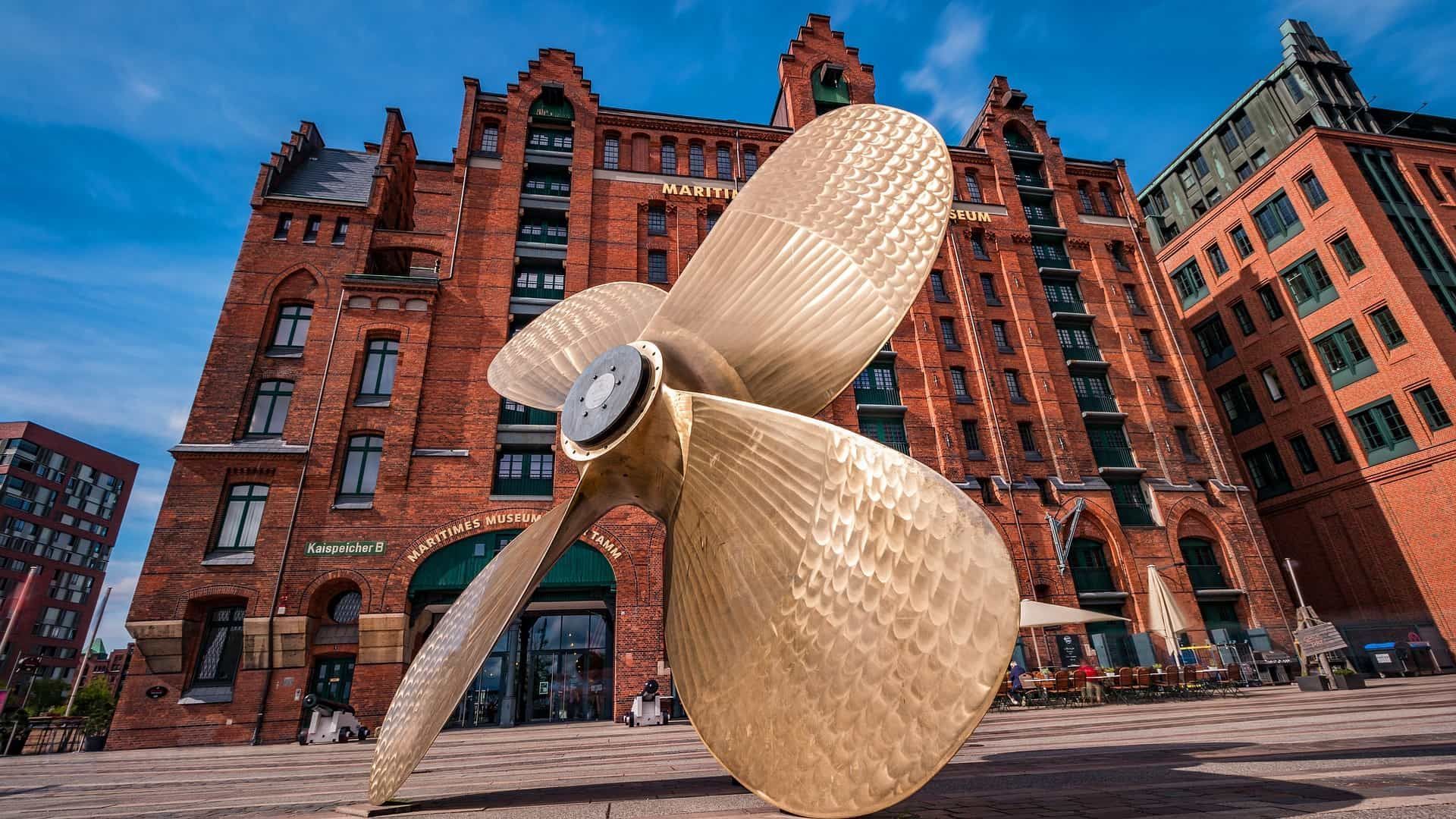
International Maritime Museum
approximately 3.4 km from the St. Joseph Hotel Hamburg
Google-Maps Koreastraße 1, 20457 Hamburg
Excerpt from Wikipedia – as of June 14, 2020: The International Maritime Museum Hamburg (IMMH) is a maritime museum located in Kaispeicher B in Hamburg's Speicherstadt (warehouse district). It exhibits the Peter Tamm Collection, consisting of objects related to seafaring, the core of which comprises tens of thousands of ship models. The museum originated from Peter Tamm's extensive private collection, which, after his retirement in 1991, was housed as a private, non-public museum under the name "Institute for Maritime and Naval History" at Elbchaussee 277 in Hamburg-Othmarschen. According to Tamm himself, his passion for collecting began with a thumb-sized Wiking waterline model of a coastal freighter at a scale of 1:1250, which he received as a gift from his mother in 1934. The collection was shown to interested parties upon request; the institute did not engage in any scholarly research. At the heart of the collection are more than 50,000 ship models from the 20th century, including many in miniature scale (1:1250). The collection also contains some older ship models, including two shipyard models used for planning before the introduction of construction drawings in shipbuilding. Another highlight is the collection of 35 bone ships, made by French sailors in dismantled sailing ships while held as prisoners of war by the English during the Napoleonic Wars; the world's largest private collection of these ship models. Finally, the collection includes dioramas of naval battles and ports.
***
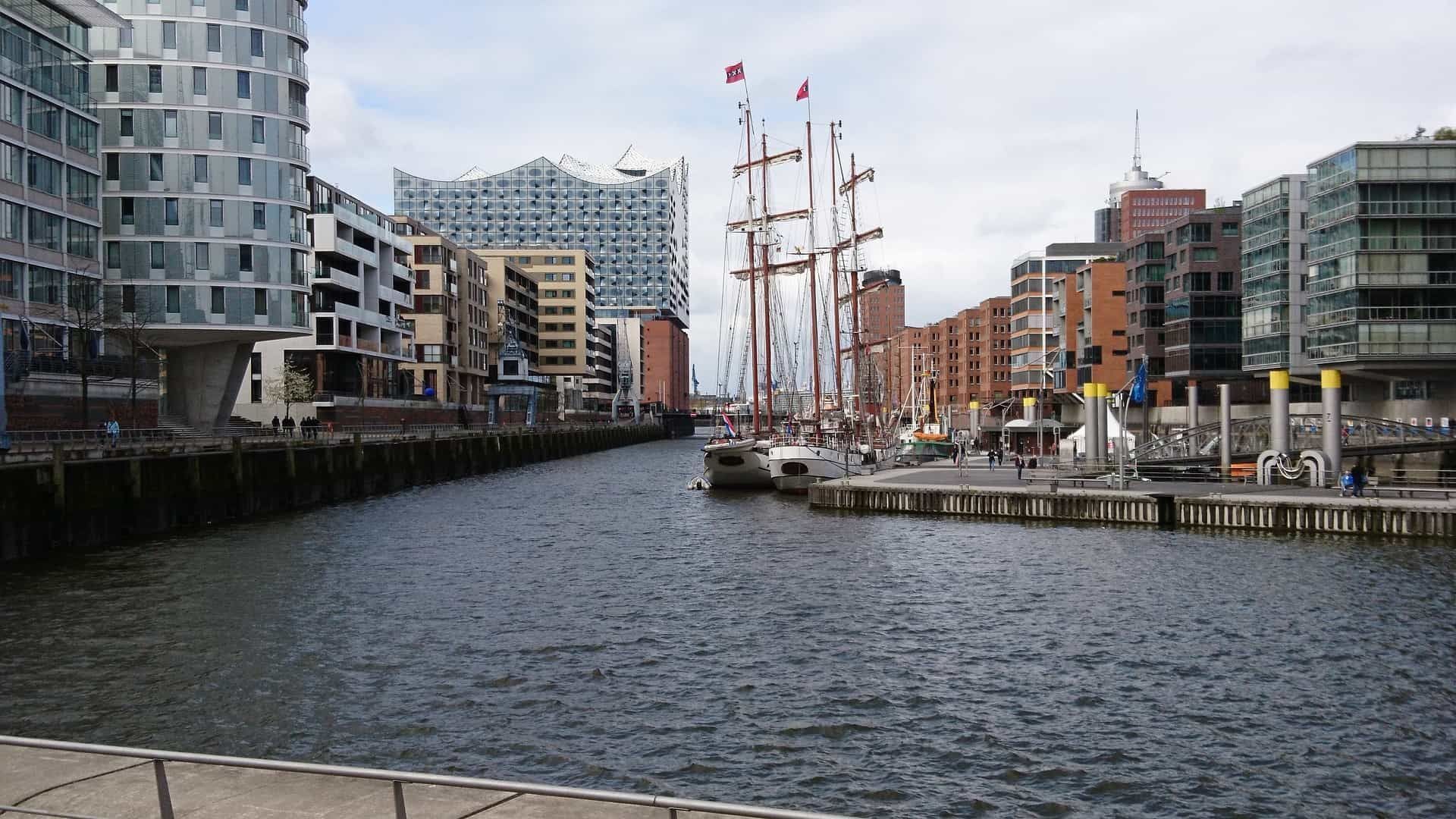
HafenCity
approximately 4 km from the St. Joseph Hotel Hamburg
Google Maps HafenCity, 20457 Hamburg
Excerpt from Wikipedia – as of June 14, 2020: HafenCity (also HafenCity) is a district in the Hamburg-Mitte borough of the Free and Hanseatic City of Hamburg. It comprises the area of Großer Grasbrook, the northern part of the former Elbe island of Grasbrook, and the Speicherstadt (warehouse district) on the former Elbe islands of Kehrwieder and Wandrahm, and was officially established in 2008. It borders Hamburg's city center to the north, separated by the Zollkanal (Customs Canal), the Elbe River to the west and south, and Hammerbrook and Rothenburgsort to the east, bordered by the Oberhafen (Upper Harbor). The district is completely surrounded by rivers and canals and has a total area of approximately 2.2 square kilometers. In a narrower sense, HafenCity, as a project name, refers to the approximately 157-hectare area on Großer Grasbrook, which formerly belonged to the free port. By the early 2030s, the area is expected to house up to 14,000 people, up to 3,000 hotel rooms, and provide jobs for up to 45,000 people, primarily in the office and service sectors. Furthermore, it is anticipated that up to 10,000 students and around 50,000 customers and tourists will use the area daily, resulting in over 120,000 people enlivening the district once completed. It is currently one of the largest inner-city urban development projects in Europe.
***
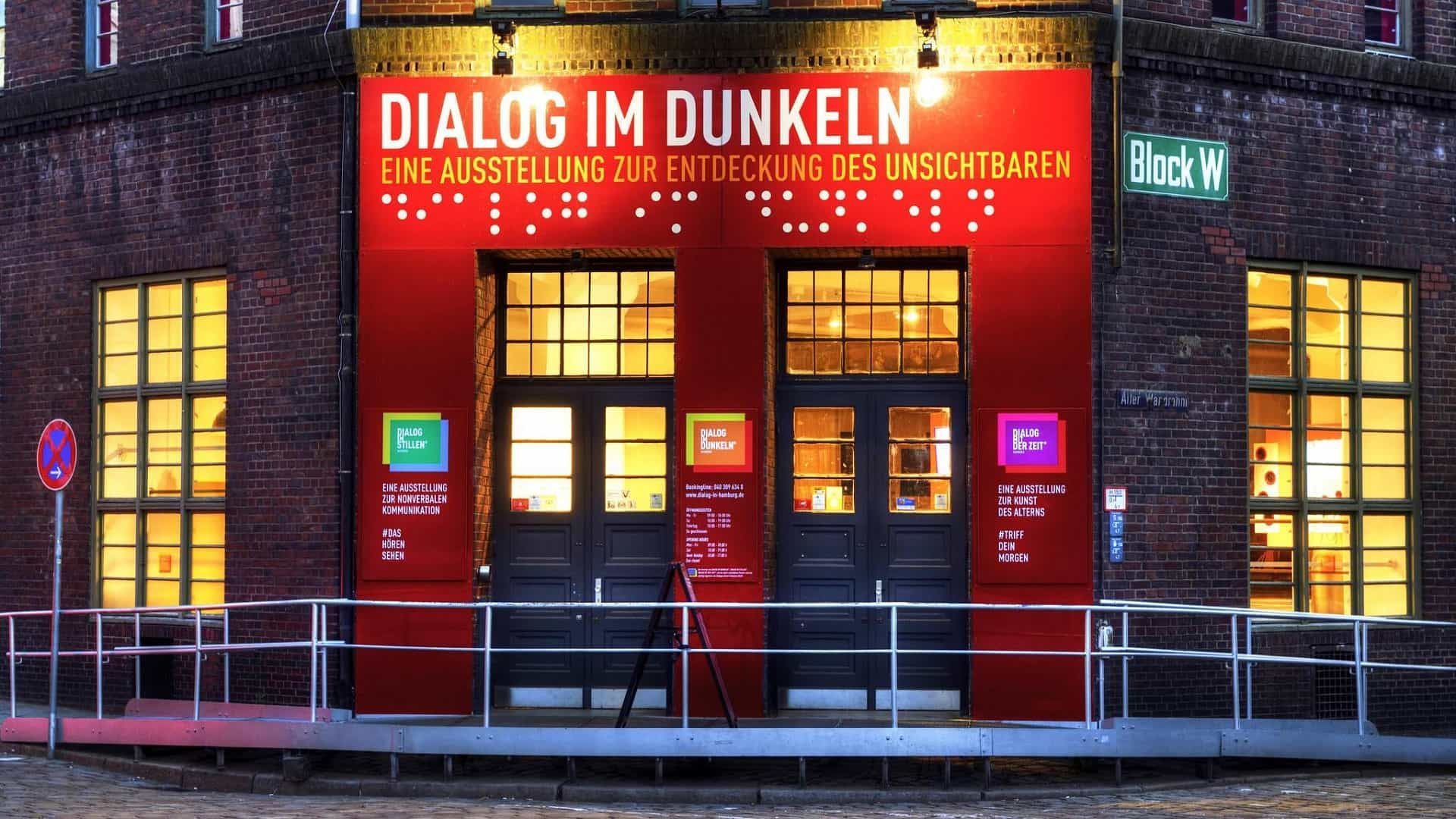
Dialogue in the Dark
approximately 3.3 km from the St. Joseph Hotel Hamburg
Google Maps Alter Wandrahm 4, 20457 Hamburg
Excerpt from Wikipedia – as of June 15, 2020: While working as a journalist for Südwestfunk (SWR), Andreas Heinecke was tasked with developing a back-to-work training program for a blind colleague. Disability and blindness were unfamiliar concepts to him until then, but his collaboration with the blind colleague led him to a new idea in 1988: "What happens when you turn off the lights, completely darken a room, and invite blind and sighted people to experience a role reversal?" Initial experiments in the dark followed, and in 1989 the first "Dialogue in the Dark" exhibition opened in Frankfurt. After further exhibition experiments across Europe with increasing success, the first permanent "Dialogue in the Dark" exhibition opened in Hamburg in 2000. Permanent exhibitions: Dialogue in the Dark Hamburg. "Dialogue in the Dark" has existed in Hamburg since 2000. It initially began with government funding and a limited-time offer, but was then permanently established as a non-profit limited liability company (gGmbH). It attracts approximately 90,000 visitors annually. The Dialogue House in Hamburg houses not only the exhibition and a workshop center for dark workshops, but also the other dialogue exhibitions from Dialogue Social Enterprise GmbH: Dialogue in Silence and, since 2017, Dialogue with Time. Frankfurt has the Dialogue Museum. Established in 2005, it offers dark workshops and various events in addition to the exhibition. Vienna also has a permanent Dialogue in the Dark exhibition, which also offers Dinner in the Dark and other events, and the similar muZIEum is located near the border in Nijmegen. Other permanent exhibitions can be found at the Cholon (Children's Museum) as well as in Turkey, South Korea, Hong Kong, India, Australia, China, Thailand, Japan, Malaysia, Italy, Mexico, Russia, and Argentina.
***
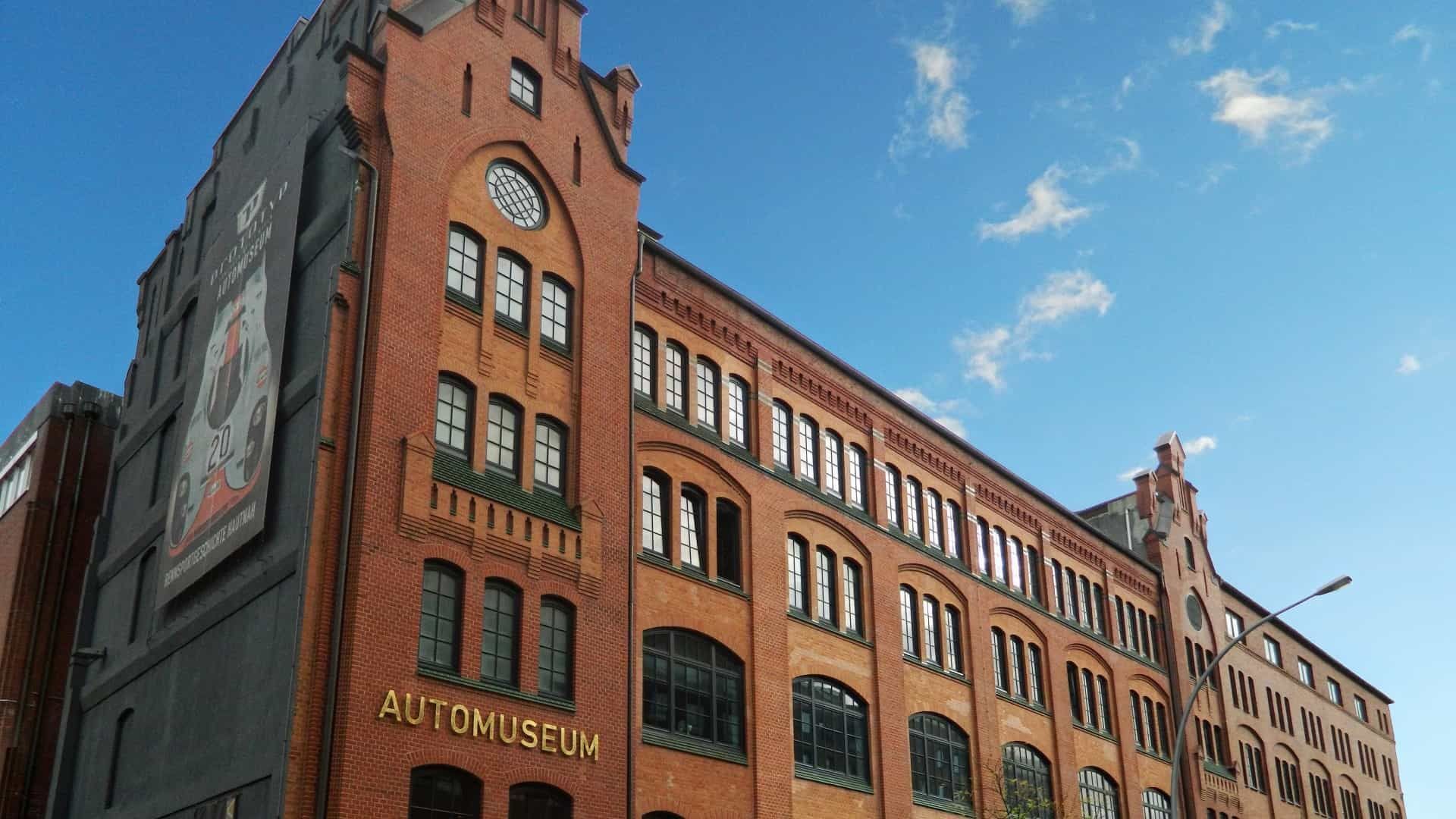
Car Museum PROTOTYPE
approximately 3.6 km from the St. Joseph Hotel Hamburg
Google-Maps Shanghaiallee 7, 20457 Hamburg
Excerpt from Wikipedia – as of June 15, 2020: The private collection Prototyp – People. Power. Cars. is an automobile museum in Hamburg. Its focus is on presenting sports and racing cars from the German post-war period, as well as their designers and drivers. Thomas König and Oliver Schmidt put their idea of giving historic vehicles as much importance and space as the people whose passion made motorsport great into practice when they founded the museum. Over many years, they built up the collection and developed the museum's concept: stories tell history. This idea forms the basis of the motto Prototyp – People. Power. Cars. It imbues the common abbreviation "PKW" (passenger car) with meaning: each of the three elements of the term is given equal weight. The museum opened on April 12, 2008. It is located in HafenCity in the listed former factory building of the Harburg Rubber Comb Company, built between 1902 and 1906 and near the International Maritime Museum Hamburg. Small exhibits in display cases and informative text panels, some of which are shown on displays embedded in the floor, offer fascinating insights into the daily lives and hardships faced by racing drivers and engineers. The exhibition concept also includes a cinema, a model wind tunnel, an audio box with individually selectable racing engine sounds, a library with digitized photo albums of racing drivers, a glass-walled workshop, and a Porsche 356 driving simulator. Rotating special exhibitions and a photo gallery complete the comprehensive presentation.
***
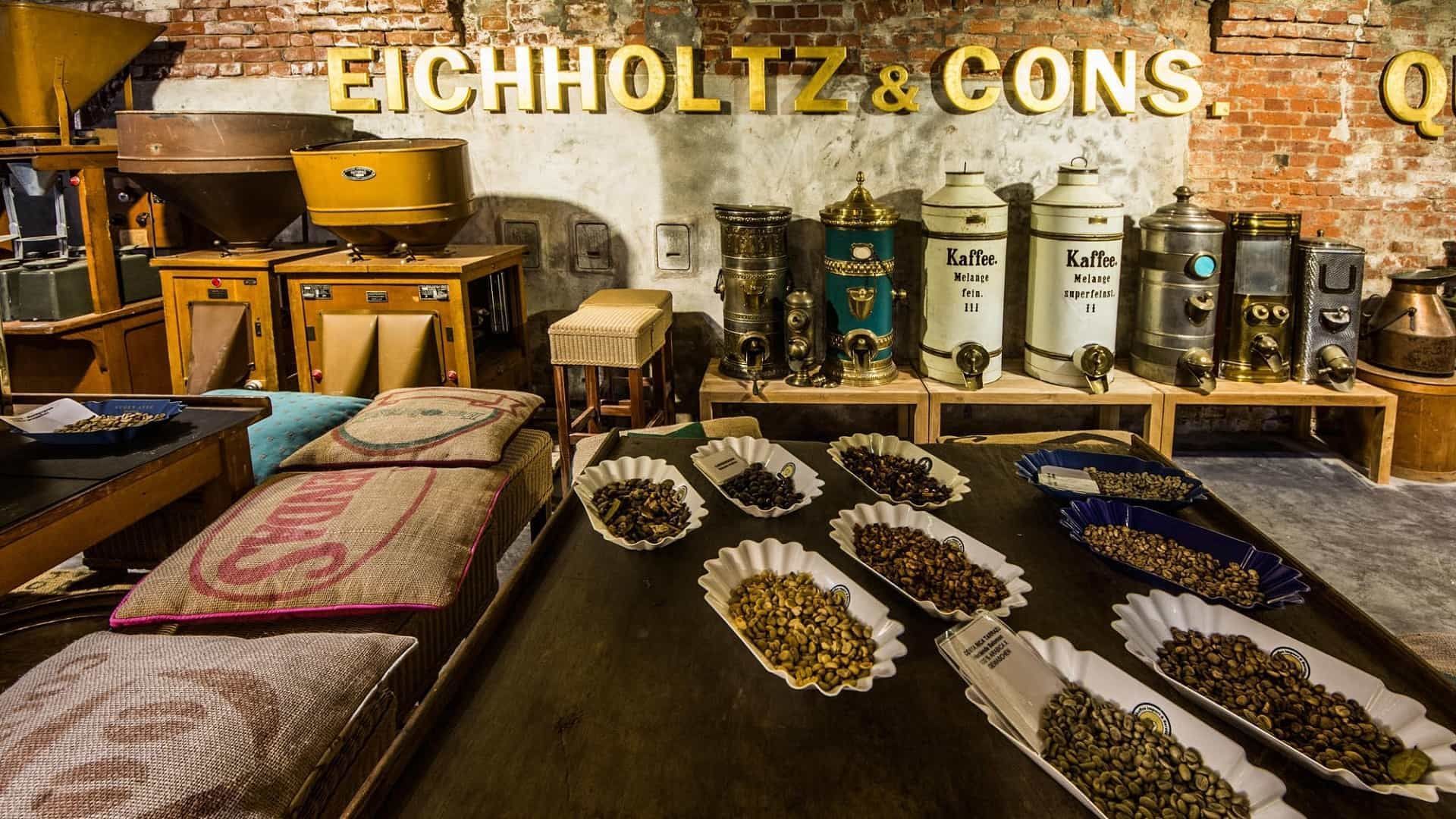
Coffee Museum Burg
approximately 3.1 km from the St. Joseph Hotel Hamburg
Google-Maps St. Annenufer 2, 20457 Hamburg
Excerpt (image and text) from the website kaffeemuseum-burg.de - as of June 15, 2020: The Burg family's coffee business and roastery has been located in the beautiful Hamburg district of Eppendorf since 1923. We owe a unique collection encompassing all aspects of coffee to Jens Burg's passion for this fascinating beverage. This collection has now found its home – the Hamburg Coffee Museum in the Speicherstadt (Warehouse District)... In the Speicherstadt's only vaulted cellar, hundreds of objects from the Burg Collection have been created, offering you the chance to learn all about this prima donna of cultivated plants. Coffee is the most popular beverage in Germany and many other countries. Embark on a journey from cultivation around the world, through the Hanseatic trading post, to the shop from Grandma's time. Discover different preparation methods and enjoy good, traditionally roasted coffee with us...
***
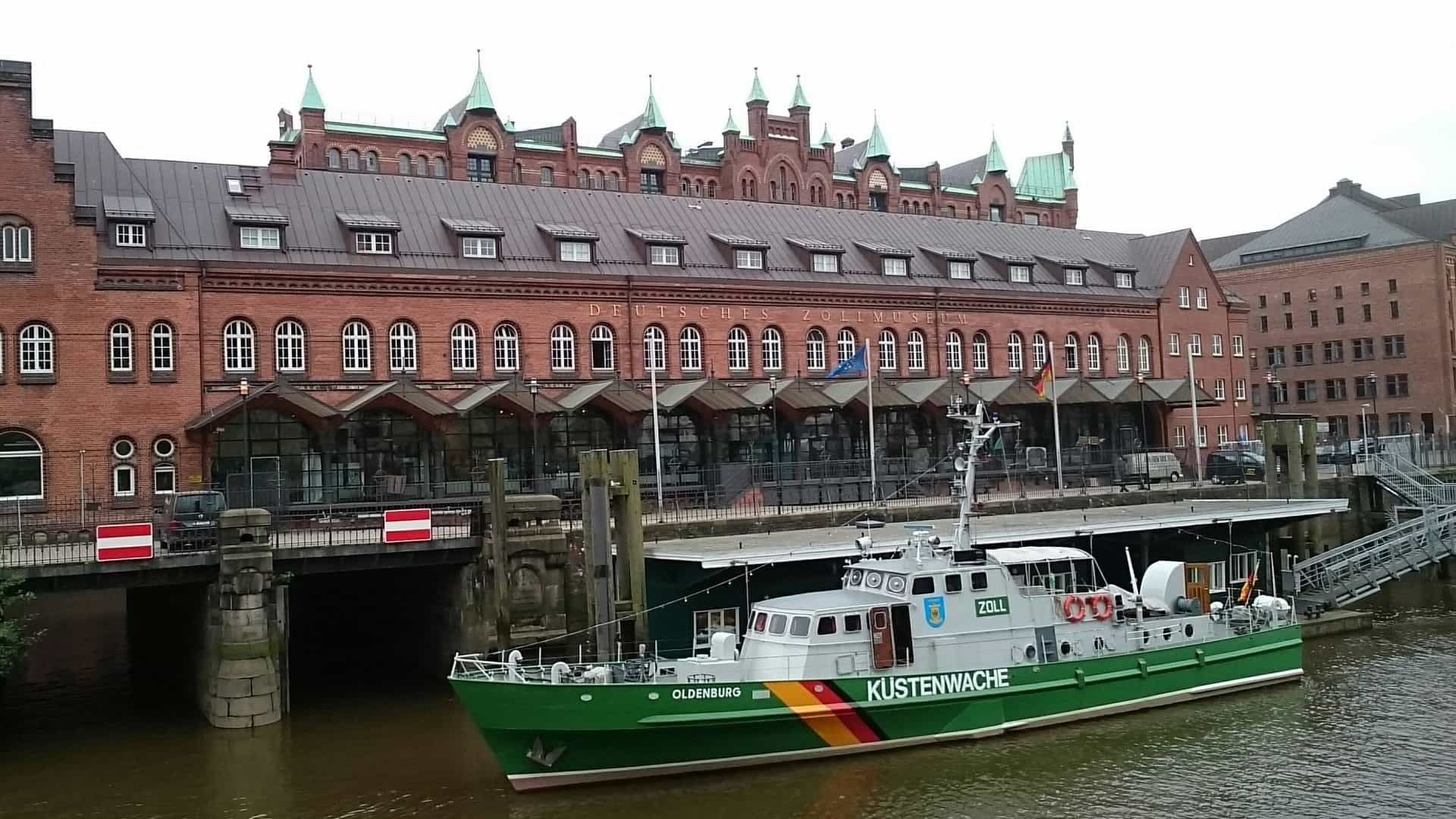
German Customs Museum
approximately 3.1 km from the St. Joseph Hotel Hamburg
Google Maps Alter Wandrahm 16, 20457 Hamburg
Excerpt from Wikipedia – as of June 16, 2020: The German Customs Museum is the national customs museum dedicated to the past and present of customs. The museum is located on the grounds of the former Hamburg Customs Office. The German Customs Museum is the successor to the Reich Customs Museum in Berlin, which was destroyed in World War II. The museum's holdings were partly derived from the exhibits of the Customs Museum at the former Customs Criminal Investigation Institute in Cologne. The Cologne Customs Museum was dissolved after its exhibits were transferred to the German Customs Museum. In 2015, the German Customs Museum also acquired the collection of the former Tax Museum in Brühl, near Cologne. The collection of the Hamburg Customs Museum was also integrated; its founder is considered to be the former customs officer Werner Fox (who died on January 22, 2016), who also published on the history of the water customs service. The museum was opened in 1992 in the former Kornhausbrücke Customs Office in Hamburg's historic Speicherstadt (warehouse district). The permanent exhibition was modernized between 2006 and 2008. In 2001, the Customs Museum had 118,000 visitors.
***
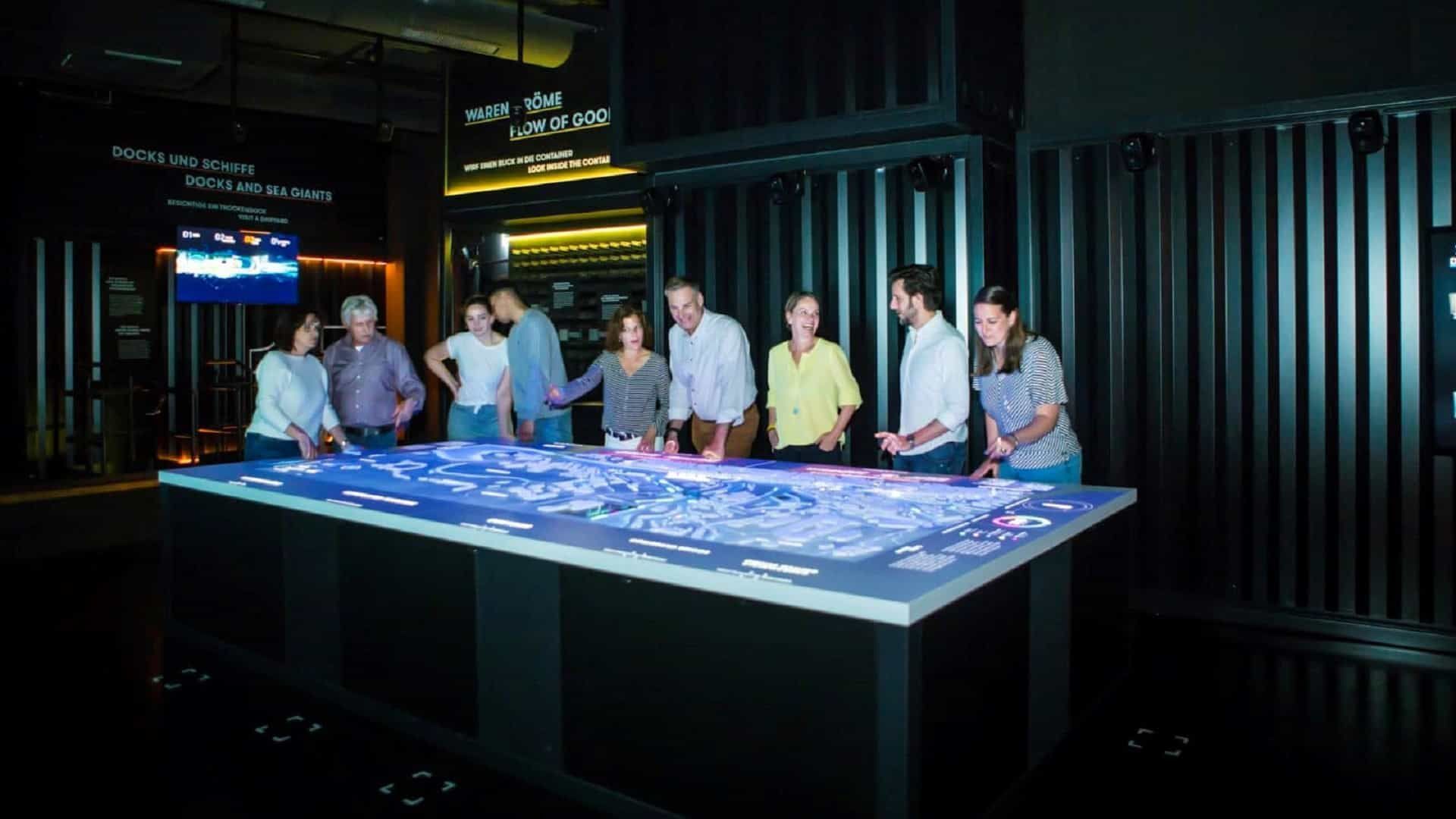
Discovery Dock
approximately 2.5 km from the St. Joseph Hotel Hamburg
Google-MapsAm Kaiserkai 60, 20457 Hamburg
Excerpt (image and text) from the website discovery-dock.de - as of June 16, 2020: The top attraction in HafenCity next to the Elbphilharmonie. Experience the Port of Hamburg from previously unseen perspectives. Breathtakingly realistic, fascinatingly informative – at Discovery Dock, the Port of Hamburg becomes a multimedia adventure playground, a digital and interactive experience for the curious, the thrill-seekers, and the knowledge-hungry. Here, you'll experience the Port of Hamburg from never-before-seen perspectives in just 55 minutes. In short: Enjoy an unforgettable time with us at Discovery Dock.
***
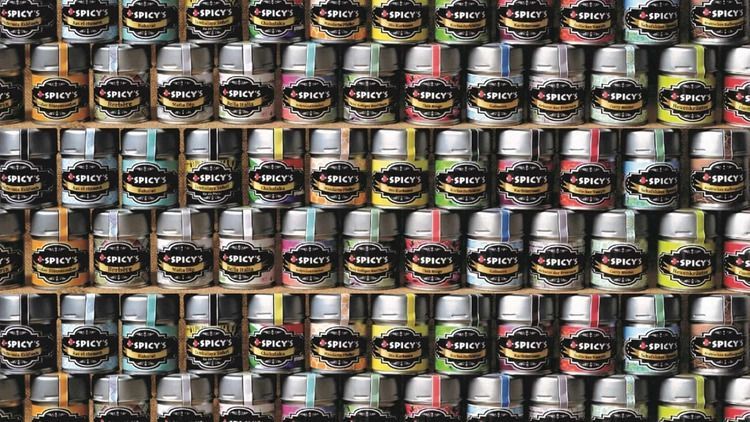
Spicy's Spice Museum
approximately 2.5 km from the St. Joseph Hotel Hamburg
Google-Maps Am Sandtorkai 34, 20457 Hamburg
Excerpt from Wikipedia – as of June 16, 2020: Spicy's Spice Museum is a privately owned museum in Hamburg, founded in 1991. With 152,000 visitors in 2007, it is one of the city's most popular museums. Since 1993, the Spice Museum has been located in the historic Speicherstadt (warehouse district) on an old storage floor in Warehouse Block L. Initially at Am Sandtorkai 32, above the former Afghan Museum, it moved to Am Sandtorkai 34 in 2012. The street "Am Sandtorkai" forms the dividing line between the historic Speicherstadt, with its listed buildings, on one side, and the new developments of HafenCity on the other. The 350 m² exhibition presents the topic of spices from many perspectives. Visitors can touch, smell, and taste over 50 spices. The effects and uses of spices are explained, and information is provided about the countries of origin of each spice. Over 900 exhibits from the last five centuries offer insights into how spices are cultivated, harvested, processed, and transported. A key part of the exhibition explores the role of spices in history, which is closely intertwined with the history of Hamburg, its Speicherstadt (warehouse district), and seafaring. Numerous special events are also offered, including lectures, cooking demonstrations, and literary readings. Image source: spicys.de
***